
- Track your orders
- Save your details for express checkout
What Energy Rating Should I Look For? NZ Appliances
With energy costs continuing to rise and new MEPS and energy-labelling changes coming into effect in 2026, more Kiwi are paying close attention to the energy efficiency of their appliances. Choosing the right energy rating isn’t just about saving on power bills – it’s about future-proofing your purchase, reducing your carbon footprint and making a smart long-term investment for your home.
So what energy rating should you actually be looking for when shopping for appliances in New Zealand? Let’s break it down in a simple, practical way.
Understanding Energy Ratings in New Zealand
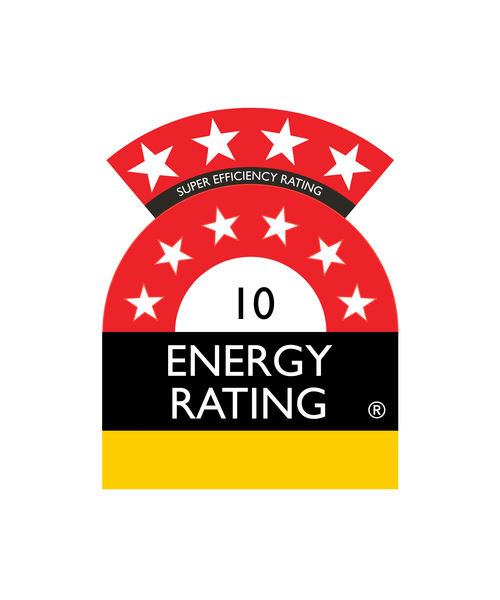
Most major household appliances sold in NZ come with an official Energy Rating Label. This is a government-regulated system designed to help you compare how efficient different models are.
The label shows:
-
A star rating (the more stars, the more energy efficient)
-
Estimated annual energy consumption (in kWh)
-
Appliance type and model information
In short, more stars = lower running costs over time.
For most appliances, you should aim for at least a 4 to 5-star energy rating, but higher is always better if your budget allows. Many modern appliances now offer 6 stars or more, especially in categories like fridges, washing machines and heat pump dryers.
What Are MEPS and Why Do They Matter?
MEPS stands for Minimum Energy Performance Standards. These are government regulations that set the minimum efficiency level appliances must meet before they can be sold in New Zealand.
From 2026, MEPS requirements are being tightened across multiple appliance categories. This means:
-
Less efficient models will be phased out
-
New appliances must meet higher efficiency standards
-
Consumers will benefit from better long-term power savings
If you buy an appliance that already exceeds current MEPS standards, you’re essentially future-proofing your purchase ahead of these changes.
What Star Rating Should You Choose?
While the “best” rating depends on the appliance type, here’s a practical guide for NZ households:
For fridges and freezers, aim for 4.5 stars or higher. These appliances run 24/7, so energy efficiency has a huge impact on your power bill.
For washing machines, look for 4 stars or above, and check the water efficiency rating too – especially important for large families.
For dishwashers, 4 stars is a solid benchmark, but premium models can reach 5 stars or more.
For dryers, heat pump models are the most energy efficient option and usually come with higher star ratings than condenser or vented dryers.
For air conditioners and heat pumps, the higher the star rating for both heating and cooling, the cheaper they’ll be to run.
Why Higher Energy Ratings Save You More
While high-efficiency appliances may cost more upfront, they almost always save you money in the long run. Lower power consumption means:
-
Reduced electricity bills
-
Less strain on the grid
-
Lower environmental impact
Over the lifespan of an appliance, those savings can easily outweigh the initial purchase price difference.
Energy Labels Are Changing in 2026
From 2026, New Zealand’s energy labelling system is being updated to better reflect modern appliance efficiency. This means:
-
Some appliances may be re-rated
-
Star scales may be adjusted
-
New labels will be easier to understand and compare
An appliance that is 5 stars today might look different under the new system, so always check the kWh usage figure as well – this shows real-world energy consumption.
Extra Tips for Kiwi Shoppers
When shopping for energy efficient appliances in NZ:
-
Compare similar models – a higher star rating only matters within the same category
-
Look at annual kWh usage, not just star ratings
-
Consider your household size and usage habits
-
Ask about government rebates or energy provider incentives (these change often)
Final Thoughts
If you’re buying appliances in New Zealand, the short answer is: choose the highest energy rating you can comfortably afford. With MEPS tightening and energy prices unlikely to drop anytime soon, investing in efficient appliances now will pay off for years to come.
If you’d like help choosing the right model for your home, pop in and chat with our team – we’re always happy to help you find an appliance that suits your lifestyle, budget and energy goals.
What Size Dishwasher Do I Need for My Household?
Your ideal dishwasher size depends on how many people are in your household, how often you cook, and how much space you have available.
Understanding Dishwasher Sizes in New Zealand
In NZ, dishwashers are usually sized by place settings, which refers to the number of dishes a dishwasher can handle in one cycle.
Smaller or compact dishwashers typically hold around six to eight place settings. These are best suited to singles, couples, apartments, or homes with limited kitchen space. They’re more compact and economical, but they do require more frequent washing if you cook often or use larger pots and pans.
Standard dishwashers are the most common option in New Zealand homes. With a capacity of around twelve to fourteen place settings, they comfortably suit families of three to four people. They offer enough room for everyday dishes as well as cookware, making them a practical all-rounder for most households.
Larger dishwashers, which hold fifteen or more place settings, are designed for big families or homes that entertain frequently. These models can handle large loads in fewer cycles, but they do require more kitchen space and tend to cost more upfront.
Matching Dishwasher Size to Your Household
Household size plays a major role in choosing the right dishwasher. Smaller households generally cope well with compact models, while average-sized families are usually best suited to standard dishwashers. Larger families or homes that cook and entertain often may benefit from a larger capacity model to reduce the number of wash cycles needed each week.
That said, lifestyle matters just as much as numbers. A household of two people who cook every night may need a larger dishwasher than a family of four who eat out regularly. This is why “family size” searches are so common, usage habits matter.
Will It Fit in Your Kitchen?
Before buying a dishwasher, it’s essential to measure your available space. Most standard dishwashers in NZ are designed to fit a 600 mm-wide cavity, while compact models usually fit a 450 mm space. Height and depth are just as important, particularly if you’re installing the dishwasher under a bench or into existing cabinetry.
If you’re updating your kitchen, you’ll also need to decide between a freestanding dishwasher or an integrated dishwasher. Integrated models are popular in modern New Zealand kitchens because they blend seamlessly with cabinetry, while freestanding dishwashers offer more flexibility and are often easier to install or replace.
Energy and Water Efficiency in NZ Homes
With electricity and water costs continuing to rise, many Kiwis search for energy efficient dishwashers NZ when shopping. Dishwasher size directly affects efficiency, a large dishwasher that’s rarely full can be less economical than a smaller one used properly.
Look for models with strong energy and water ratings, as well as eco or auto wash programmes. Choosing the right size helps ensure you’re not wasting resources on half-empty loads.
Features That Can Make a Difference
While size is important, internal design also matters. Adjustable racks, flexible shelving, and cutlery drawers can make a standard dishwasher feel much larger and more practical. Noise levels are another key consideration, especially in open-plan homes where a loud dishwasher can be disruptive.
So, What Size Dishwasher Is Right for You?
For most New Zealand households, a standard 12–14 place setting dishwasher offers the best balance of capacity, efficiency, and convenience. However, compact dishwashers are ideal for smaller homes, while larger models suit busy households that cook and entertain often.
The best dishwasher is one that fits your kitchen, matches your lifestyle, and runs efficiently for years to come.
Check out our range here: Applianceplus Dishwasher Range
Energy Efficient Appliances That Save You Money
The Dryer Debate: Heat Pump vs. Condenser - What's the difference?
Which Coffee Machine is Right for You? A Kiwi Guide to Your Perfect Brew
Which bed is right for you?
What's The Difference Between Built-in and Freestanding Ovens?
Can Chest Freezers Be Kept Outside?
Why Is My Washing Machine Shaking?
Dishwasher Dilemma: Cutlery Drawer, Tray or Basket?
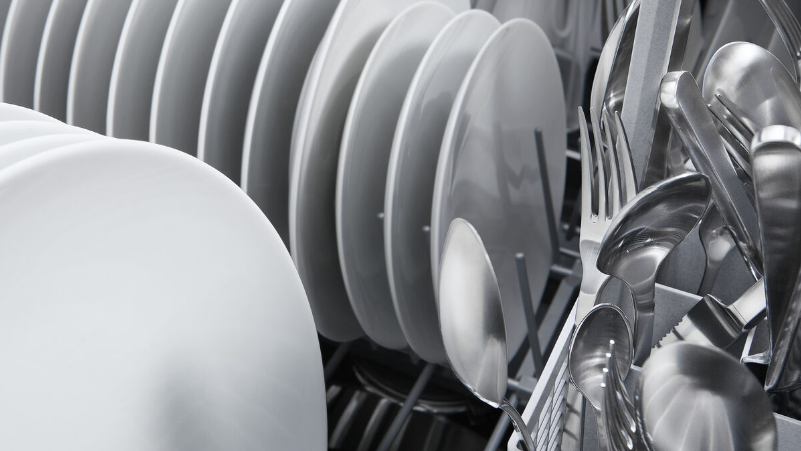
It may sound silly but we know better than anyone how important cutlery storage is in your dishwasher. It's not something anyone thinks about until they purchase a dishwasher and are stuck with something that doesn't suit their needs.
Mitsubishi Electric HS Refrigeration Range: A Seamless Fit for Kiwi Kitchens
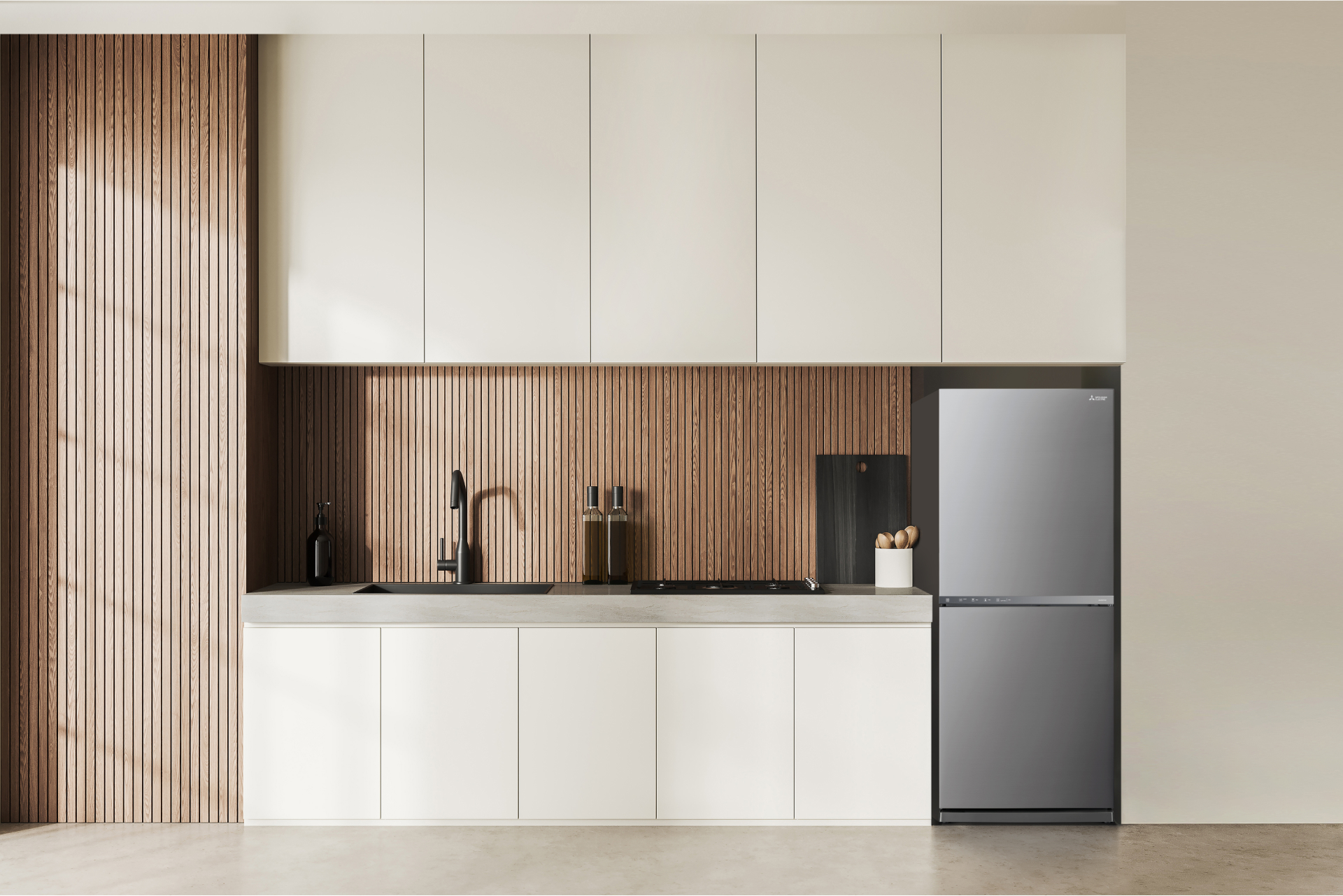
The Mitsubishi Electric HS Bottom Mount Refrigeration range isn't just built to store your groceries, each fridge is designed with the unique style and function needs of New Zealanders in mind.
How to choose the perfect heater for your home.
How to Choose the Perfect Dining Table
Top Benefits of a Slow Cooker
Ready... Set... Dry!